
Common Mistake #12: Not Updating Your Will After Major Life Events

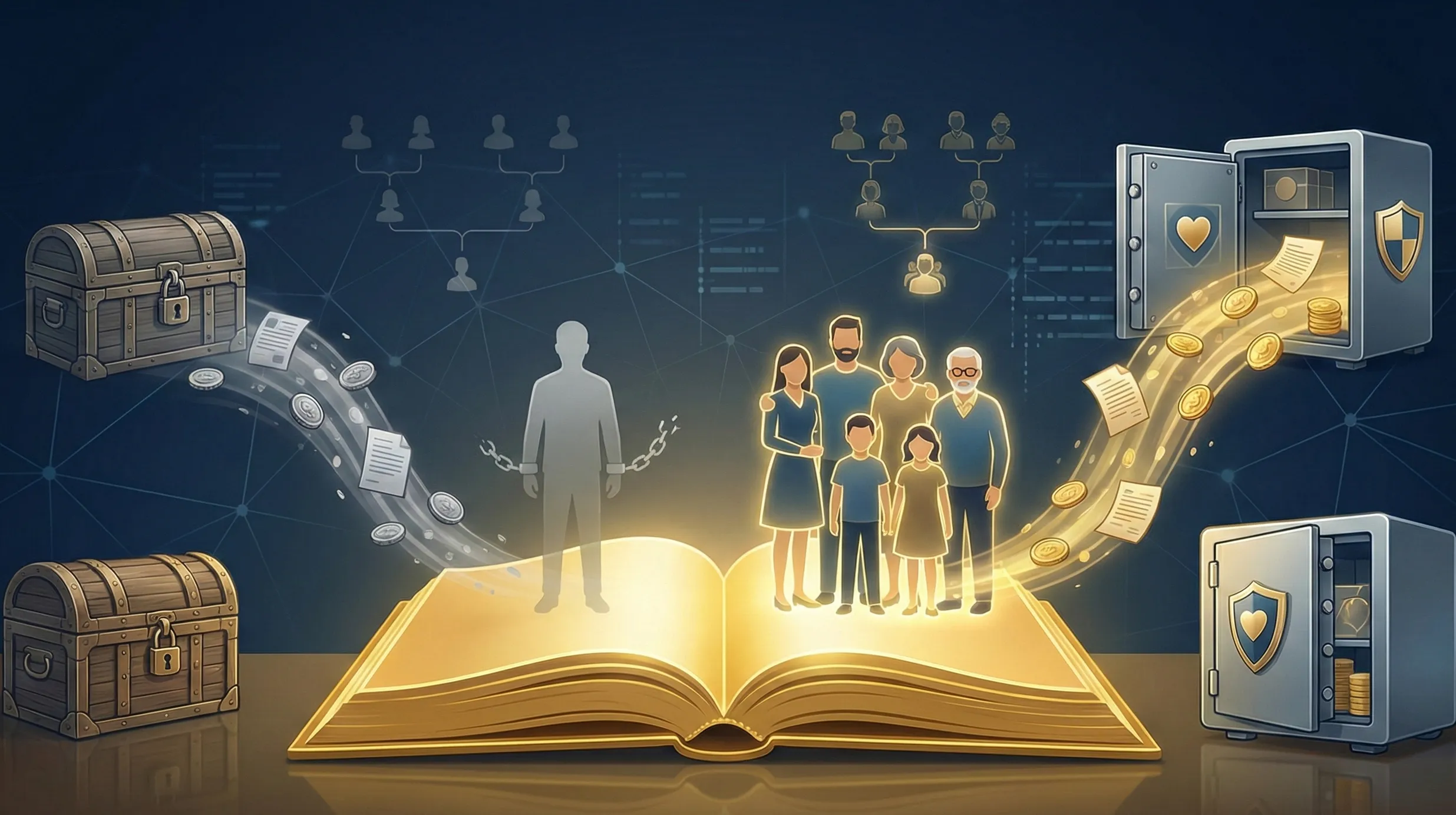
A will is meant to reflect a person’s intentions at the time it is enforced - not at the time it was written. Yet many people draft a will once and assume it remains valid indefinitely, even as their lives change in fundamental ways. Marriage, divorce, children, remarriage, and changes in financial circumstances can all alter who assets are meant to benefit and how responsibilities should be handled.
This article explains why failing to update a will after major life events is a common but consequential mistake, how outdated documents can undermine intent, and why the consequences often emerge only when it is too late to correct them.
Key takeaways
- Wills reflect intent at a point in time, not automatically over a lifetime.
- Major life events can render existing provisions incomplete or misaligned.
- Courts may rely on outdated instructions if no updates exist.
- Conflicts often arise from silence rather than explicit choices.
- Periodic review preserves clarity without constant revision.
Why an old will can feel "good enough."
Drafting a will often feels like a definitive task. Once completed, it creates a sense of closure - assets are accounted for, guardians are named, and responsibilities appear settled. Because the document exists, it can feel safer than having nothing at all.
Over time, that sense of completion lingers. Even as life evolves, the will remains quietly filed away, giving the impression that planning has already been handled. Revisiting it can feel unnecessary or uncomfortable, especially if no immediate problem is visible.
At this stage, inaction feels neutral rather than risky.
Where the structure creates risk
A will does not update itself.
It reflects the facts, relationships, and assumptions in place when it was drafted. When those facts change, the document does not adapt unless it is actively revised. Courts generally interpret wills based on their written language, not on what the person "would have wanted" under new circumstances.
This is where the logic breaks. Life events can materially change priorities, but the legal document governing asset distribution remains frozen in time.
As a result, the will may no longer align with the current family structure, financial reality, or personal intent.
How outdated wills lead to unintended outcomes
When a will is outdated, the consequences are rarely subtle.
Assets may be distributed in ways that exclude a current spouse, fail to account for children born after the document was written, or continue to reference individuals who are no longer part of the estate holder’s life. In some cases, guardianship designations for minor children may no longer reflect the most appropriate choice.
These outcomes can trigger disputes, delays, and legal costs. More importantly, they can redirect assets and responsibilities in ways the person never intended.
Once the will is executed, correcting these outcomes is often impossible.
Why the problem often goes unnoticed
Unlike investment or tax issues, an outdated will does not affect day-to-day finances. There are no statements to review, no balances to monitor, and no performance indicators to flag a problem.
Many people also assume that major life events automatically invalidate or override prior documents. In reality, while some jurisdictions adjust certain provisions by default, others do not - and the rules vary widely.
This uncertainty allows outdated wills to persist quietly, sometimes for decades.
A more durable way to think about a will
People who avoid this mistake tend to treat a will as a living framework, not a one-time task.
That does not mean rewriting it frequently. It means recognizing that certain life events-marriage, divorce, children, remarriage, significant asset changes-are natural checkpoints for review.
The goal is not constant revision. It is the alignment between the document and the current reality.
A will works best when it reflects who matters now, not who mattered then.
When a will may not need immediate updating
There are periods when a will remains appropriate even as life changes incrementally. Not every career move or minor asset shift requires revision.
The distinction lies in impact.
Major life events that alter family structure, dependency, or long-term responsibility usually warrant a review. Leaving a will unchanged becomes a mistake only when silence replaces intention.
Stability is not the problem. Staleness is.
How optimized is your portfolio?
PortfolioPilot is used by over 50,000 individuals in the US & Canada to analyze their portfolios of over $40 billion1. Discover your portfolio score now:

Take control of your legacy
Make sure your assets and wishes are cared for, leaving a lasting impact for generations to come - no hidden costs and no credit card required.