
Common Mistake #17: Skipping a Digital Estate Plan (And Leaving Loved Ones Locked Out)

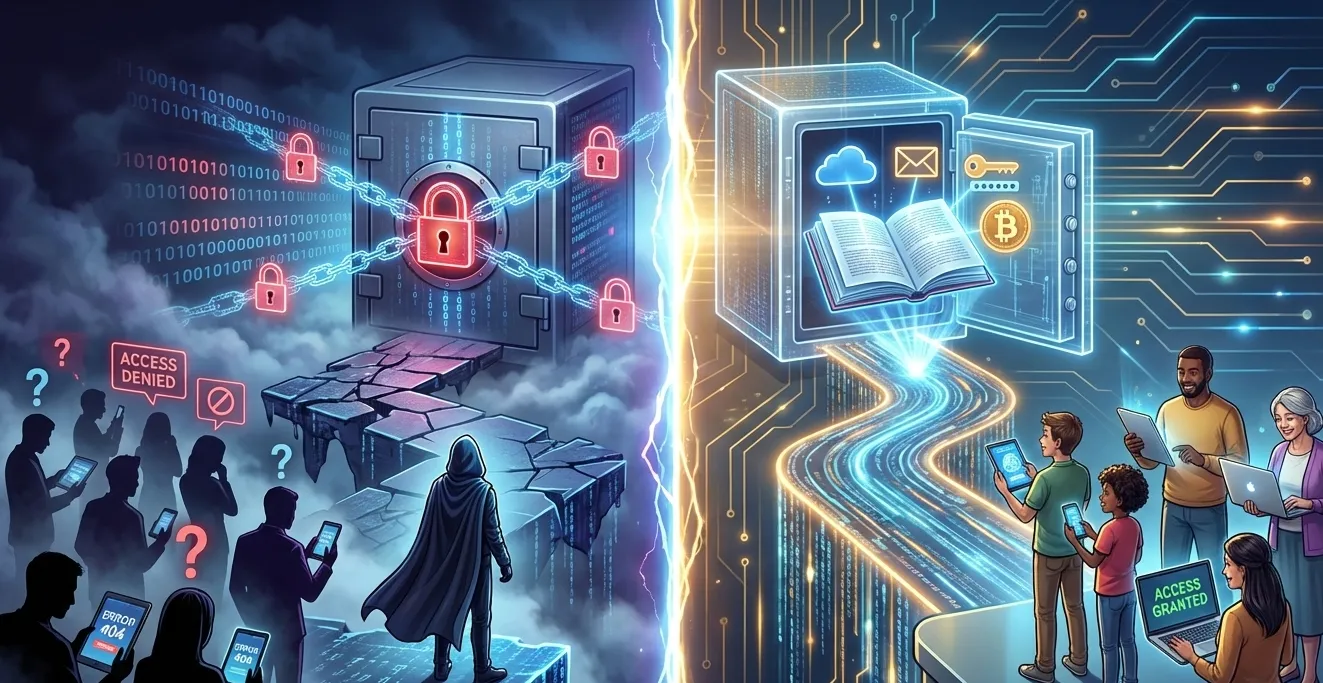
Much of modern life now exists online. Financial accounts, personal photos, professional records, subscriptions, social media profiles, and even entire investment portfolios may be accessible only through digital credentials. Yet many estate plans focus exclusively on physical and financial assets, leaving digital access unaddressed.
This article explains why neglecting a digital estate plan is a growing but often overlooked mistake, how digital assets differ from traditional ones, and why failing to plan for access can create confusion and loss even when other estate documents are in place.
Key takeaways
- Digital assets often require credentials, not just legal authority.
- Many online platforms restrict access without explicit instructions.
- Digital assets can hold financial, personal, or operational value.
- Lack of access can lead to permanent loss, not just inconvenience.
- A digital estate plan provides clarity without requiring constant updates.
Why digital assets are easy to overlook
Digital assets tend to feel informal. Photos live in the cloud. Messages sit in email accounts. Subscriptions renew automatically. Even cryptocurrency holdings may exist only as private keys stored digitally.
Because these assets do not arrive in paper statements or physical files, they are easy to exclude from traditional planning. Many people assume that passwords can be recovered, accounts can be accessed later, or service providers will cooperate with heirs.
At first glance, this assumption feels reasonable. The assets exist, so access feels implied.
Where the structure breaks down
Digital assets are governed by access rules, not just ownership rules.
Many online platforms prohibit sharing login credentials and will not grant access based solely on a will or court order. Without proper authorization or instructions, providers may limit heirs to memorializing accounts or deny access altogether.
This is where the logic breaks. Legal authority does not automatically translate into technical access. Without credentials or explicit digital instructions, control over digital assets can be effectively lost.
In some cases, the barrier is not legal - it is cryptographic.
Binary classification chart
Some digital assets allow limited recovery. Others do not.
How locked accounts create irreversible loss
When digital access is missing, the impact can extend beyond inconvenience.
Personal photos, creative work, or important correspondence may be unrecoverable. Subscription services may continue billing. Business operations tied to email or online platforms may stall. Cryptocurrency or other digital assets secured by private keys may become permanently inaccessible.
Because these systems are designed to prioritize security, there is often no recovery path. Once access is lost, the asset may effectively disappear.
The consequence is not delay-it is forfeiture.
Why this risk often goes unnoticed
Digital assets rarely affect daily estate planning conversations. They do not appear on balance sheets in obvious ways, and their value, financial or sentimental, is often underestimated.
There is also a false sense of redundancy. Cloud storage, password recovery tools, and customer support can feel like safeguards. In reality, they are designed for living users, not estates.
As long as the account holder is active, the gap remains invisible.
A more durable way to think about digital assets
Individuals who address this issue tend to adopt a simple framing:
Digital assets require both legal authority and practical access.
A digital estate plan does not require listing every password in a document. It involves identifying what digital assets exist, how access is controlled, and who should manage or receive them.
The goal is continuity, not intrusion. Clear instructions allow loved ones to act without guessing or breaching platform rules.
When informal digital arrangements may still exist
Some people rely on shared devices, password managers, or ongoing conversations to convey digital access. In simple situations, this can work.
The distinction lies in durability.
Informal access can fail when credentials change, devices are lost, or security protocols tighten. A digital estate plan does not eliminate flexibility-it provides a fallback when informal systems break.
Digital assets work best when access is intentional, not assumed.
How optimized is your portfolio?
PortfolioPilot is used by over 40,000 individuals in the US & Canada to analyze their portfolios of over $30 billion1. Discover your portfolio score now:

Take control of your legacy
Make sure your assets and wishes are cared for, leaving a lasting impact for generations to come — no hidden costs and no credit card required.
.webp)
