
Kubera Alternative: Why Pay for Tracking What You Can Get for Free?

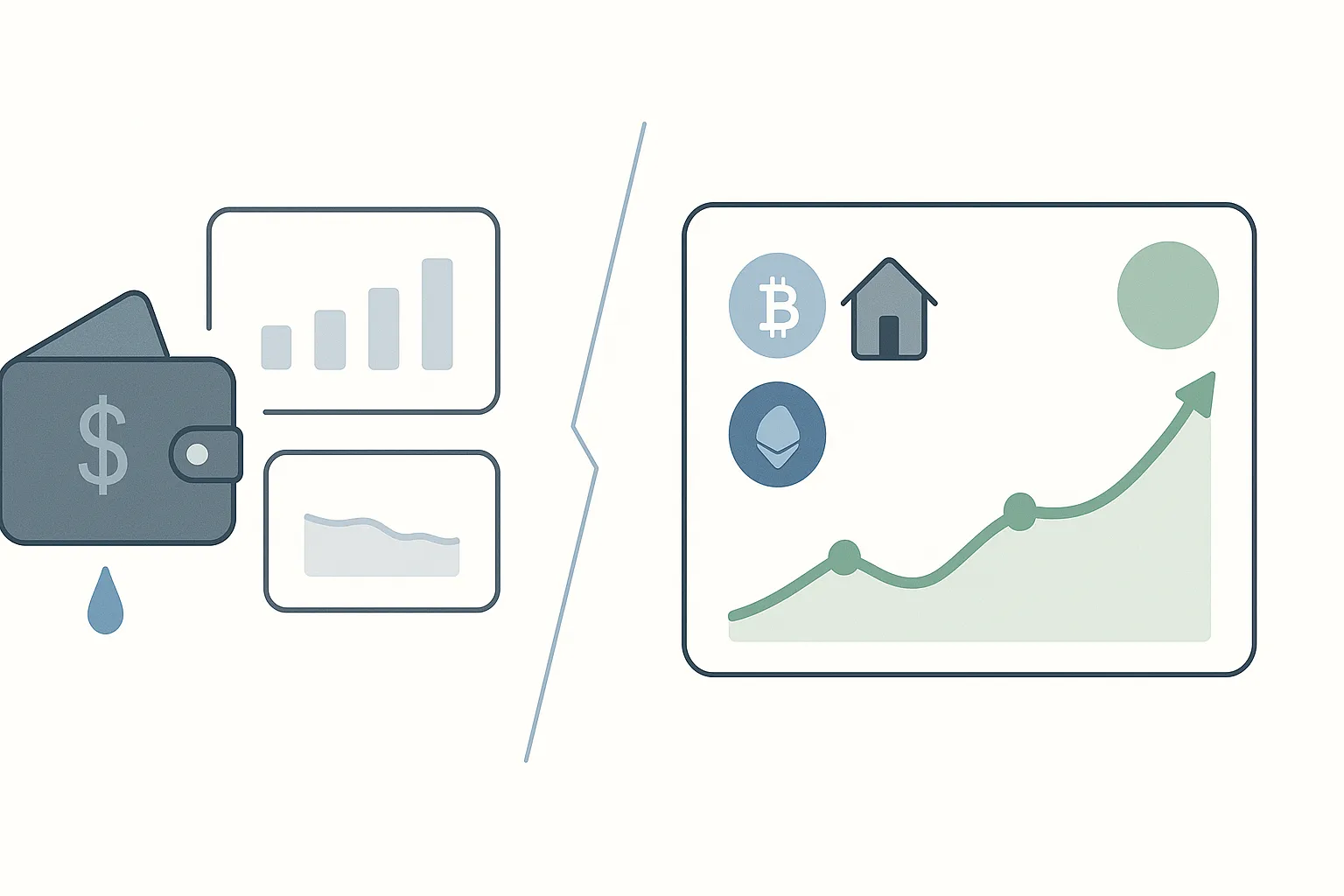
According to the Federal Reserve’s 2022 Survey of Consumer Finances, 58.1 percent of US households held stock or bond investments. As more households build wealth, portfolio dashboards have become popular for tracking everything from 401(k)s to crypto wallets. But one question is often overlooked: should investors be paying hundreds of dollars every year just to monitor accounts?
This article examines the cost of Kubera versus PortfolioPilot, showing why the long-term price difference can add up to thousands of dollars, money that could remain invested instead of being spent on subscriptions.
Key Takeaways
- Kubera pricing starts at $250 per year for portfolio tracking; PortfolioPilot provides comparable tracking functionality for free.
- Over 40 years, paying Kubera’s fee amounts to nearly $10,000 in costs (an illustrative projection at today’s price).
- PortfolioPilot includes optional paid tiers for advanced features, but the tracking part of the product requires no subscription.
- Both platforms let users monitor accounts, but only one requires an annual outlay.
Kubera: A Paid Tracking Dashboard
Kubera markets itself as a wealth tracker designed to handle traditional and alternative assets. Users can connect bank accounts, brokerage accounts, and crypto wallets, or manually enter holdings such as collectibles or real estate.
The interface resembles a spreadsheet, appealing to those who prefer manual control and simple visualization. But the essential point is cost: Kubera charges $250 annually for access (per Kubera’s published pricing as of July 2026).
For an investor planning to track accounts across decades, that cost compounds. A single subscription may not feel heavy year to year, but as a simple illustrative projection (40 × $250 at today’s price, before any investment returns), stretched over 40 years it totals nearly $10,000, capital that could otherwise remain invested.
Track investments, cash, crypto, real estate, and liabilities in one dashboard for free.
PortfolioPilot: Free Portfolio Tracking with Optional Upgrades
PortfolioPilot also allows users to consolidate accounts, including brokerages, retirement plans, real estate, crypto, and liabilities. The difference is that PortfolioPilot provides portfolio tracking at no cost.
Users can see their complete net worth view, monitor asset classes, review performance trends, run retirement planning scenarios, and track gains and losses, all without paying a subscription fee. For those who want more advanced features, such as tax optimization or personalized investment advice, PortfolioPilot offers paid tiers, but these are optional.
The distinction is straightforward: core tracking is free, not locked behind a $250 yearly bill.

Why the Cost Difference Matters
Hypothetical: Imagine a 35-year-old investor setting up a dashboard today. If they choose Kubera, by the time they turn 75 they will have spent nearly $10,000 on subscription fees, all just for tracking data they could have accessed for free elsewhere. If that money were left invested instead, it could compound into significantly more over decades. This illustration is purely arithmetic and does not assume any specific investment returns, performance outcomes, or future market conditions.
So what? The decision isn’t only about features, it’s about whether it makes sense to pay ongoing fees for a tool when a free option exists. For many investors, that difference can shift the balance between spending and saving.
Kubera vs PortfolioPilot Costs & Features — FAQs
How much does Kubera charge annually for portfolio tracking?
What is the 40-year cost of paying Kubera’s subscription fee?
How does PortfolioPilot differ in its pricing model from Kubera?
What types of assets can Kubera users track on the platform?
How does PortfolioPilot handle account consolidation compared to Kubera?
What percentage of U.S. households held stock or bond investments in 2022?
What is the financial impact of paying Kubera’s subscription fee versus investing the same money?
Why might an investor prefer free portfolio tracking?
Which features are free in PortfolioPilot’s base version?
What does Kubera’s interface resemble, and why does that matter?
What optional upgrades does PortfolioPilot offer beyond free tracking?
How optimized is your portfolio?
PortfolioPilot is used by over 50,000 individuals in the US & Canada to analyze their portfolios of over $40 billion1. Discover your portfolio score now:

The only Net Worth Tracker you need
Track all your assets in one place for free - no hidden costs.


.webp)
