
Estate Planning: PortfolioPilot vs Wealth.com

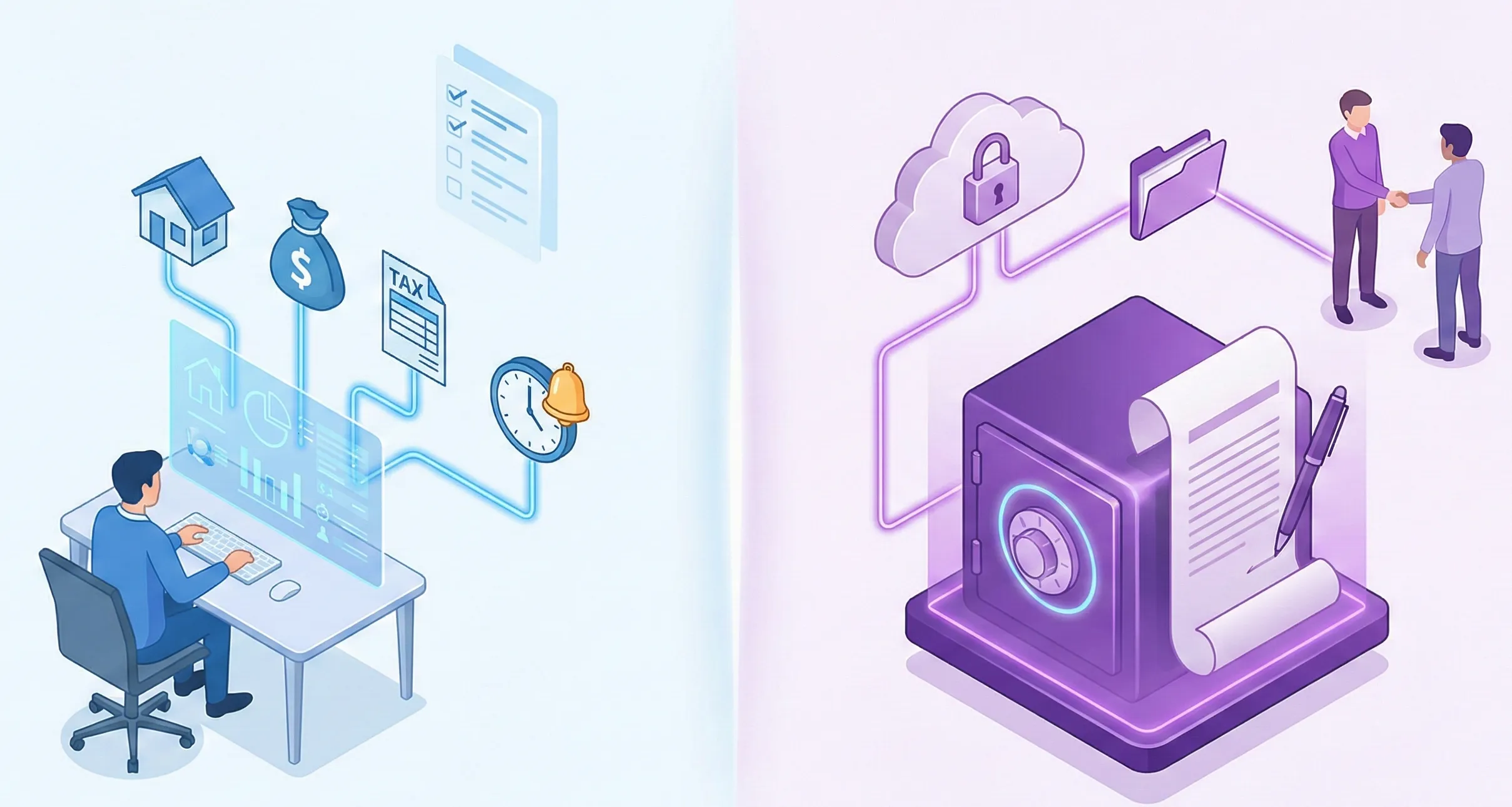
Fewer than about 1 in 1,000 US estates owe federal estate tax, largely because the lifetime exemption is in the multi-million-dollar range. That reality leads many households to assume estate planning can wait until a beneficiary form is missing or a probate surprise appears. This article contrasts how PortfolioPilot and Wealth.com approach the problem: one orchestrates financial and estate to-dos; the other focuses on creating legal documents. The comparison highlights where each fits, what gaps remain, and how investors can combine them thoughtfully.
Key Takeaways
- Estate planning is not just about taxes. Beneficiary designations and account titling often control who receives assets, sometimes over a will.
- PortfolioPilot organizes, prioritizes, and reminds across a person’s finances; it does not draft legal documents.
- Wealth.com provides attorney-designed digital estate documents and a platform to maintain them. Used together, a document platform plus an ongoing planning hub can help reduce common errors like outdated beneficiaries or missed account-level actions.
PortfolioPilot - Estate Planning Inside a Full Financial Picture
PortfolioPilot, by Global Predicions, is an AI financial advisor, an SEC-registered investment advisor that can help self-directed investors coordinate actions across investments, taxes, retirement, and estate to-dos. It does not manage money and does not draft legal documents.
Interesting for: People who want a single, ongoing hub that connects estate readiness with their portfolio, retirement accounts, and tax opportunities, then nudges them when something needs attention.
How PortfolioPilot approaches estate planning (feature bullets):
- Planning, not drafting: Converts holdings, account types, and family info into an estate readiness checklist; points to actions a person may take with an attorney or institution.
- Beneficiary & titling prompts: Flags missing or inconsistent beneficiaries and highlights accounts where “who gets what” is controlled outside the will.
- Integrated reminders: Periodic prompts to revisit beneficiaries, executors, guardians, and powers of attorney, especially after life or account changes.
- Holistic context: Ties estate to taxes (e.g. account types), fees, and diversification, so changes aren’t made in a silo.
- Always-on updates: Monthly re-checks as markets move and new accounts are added; recommendations adapt when the financial picture changes.
What PortfolioPilot does not do: draft or file legal documents, offer legal advice, or replace an attorney. It is a planning and coordination layer that helps a person show up to the attorney with a clear list and organized data. Final outcomes still depend on properly executed legal documents, accurate beneficiary forms, and compliance with applicable state law.
Track estate planning items with a checklist for insurance, beneficiaries, and key details.
Wealth.com - A Digital Platform to Create and Maintain Documents
A digital estate planning platform that provides will and trust creation and a centralized place to manage estate documents, offered directly and through advisor/enterprise channels.
Interesting for: Households that want to build or update legal estate documents online and store them in one place.
How Wealth.com approaches estate planning (feature bullets):
- Document creation: Guided workflows for wills, trusts, and related estate paperwork.
- Ongoing maintenance: A digital hub to review and update documents as circumstances change.
- Advisor connectivity (where offered): An advisor-facing experience to help clients maintain plans (availability can vary by firm or subscription).
- Central storage and access: Keeps estate materials organized and accessible to authorized parties.
What Wealth.com does not inherently do: scan a person’s entire financial life for portfolio, tax, and fee issues or provide monthly, cross-domain financial guidance. It is document-centric; investors still benefit from monitoring account-level instructions that live outside those documents.
Side-by-Side: Which Tool For Which Task?
When many investors choose PortfolioPilot first
- To surface account-level actions (beneficiaries/titling) that can override a will.
- To keep estate to-dos aligned with tax and investment decisions all year.
- To get reminders after life events (new account, new home, birth, marriage/divorce).
When many investors choose Wealth.com first
- To create a will or trust digitally and organize legal documents in one place.
- To collaborate with an advisor or attorney inside a document platform.
When they’re used together
- PortfolioPilot identifies gaps and keeps a living checklist.
- Wealth.com executes the documents and stores them.
- The investor (and, when applicable, an attorney) confirms that beneficiary forms match the plan, because those forms can control certain assets regardless of a will.
The comparison is based on publicly available information from each provider’s website as of 11/19/2025. Features, fees, and methodologies may change over time. PortfolioPilot does not offer legal advice.
Wealth.com vs. PortfolioPilot — Estate Coordination FAQs
What core job does Wealth.com perform in estate planning, according to the article?
Does PortfolioPilot manage assets or file legal documents?
How does the article describe PortfolioPilot’s handling of beneficiary and titling risks?
What ongoing cadence does the article attribute to PortfolioPilot’s estate prompts?
What estate tasks does Wealth.com emphasize after initial setup?
Where does Wealth.com stop relative to full financial oversight?
Which platform is positioned to surface account-level actions that can override a will?
In which situations might households start with Wealth.com before using a planning hub?
What combined workflow does the article propose to reduce common estate mistakes?
What investor behavior risk does the article implicitly flag even when taxes are unlikely?
How optimized is your portfolio?
PortfolioPilot is used by over 50,000 individuals in the US & Canada to analyze their portfolios of over $40 billion1. Discover your portfolio score now:

Take control of your legacy
Make sure your assets and wishes are cared for, leaving a lasting impact for generations to come - no hidden costs and no credit card required.


.webp)
